FRP Infrastructure

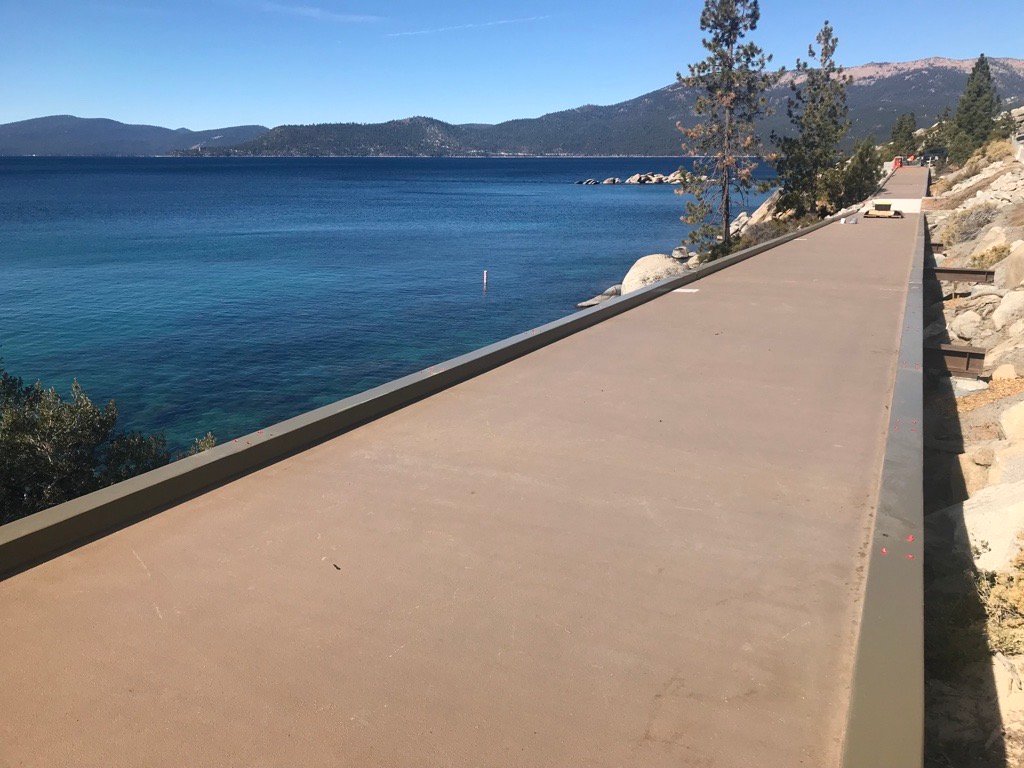
Lake Tahoe FRP Bridge Deck

Ultraviolet Degradation of Fiber Reinforced Polymers in Civil Infrastructure Applications: Beyond Cosmetic Concerns

Introduction: In the realm of civil engineering, fiber reinforced polymers (FRPs) have gained significant attention as a viable alternative to traditional materials like steel, concrete or wood. FRPs offer numerous advantages, including high strength-to-weight ratio, corrosion resistance, and ease of installation. However, one aspect that engineers must consider is the potential for ultraviolet (UV) degradation […]

Ultraviolet Degradation of Fiber Reinforced Polymers in Civil Infrastructure Applications: Beyond Cosmetic Concerns Read More »

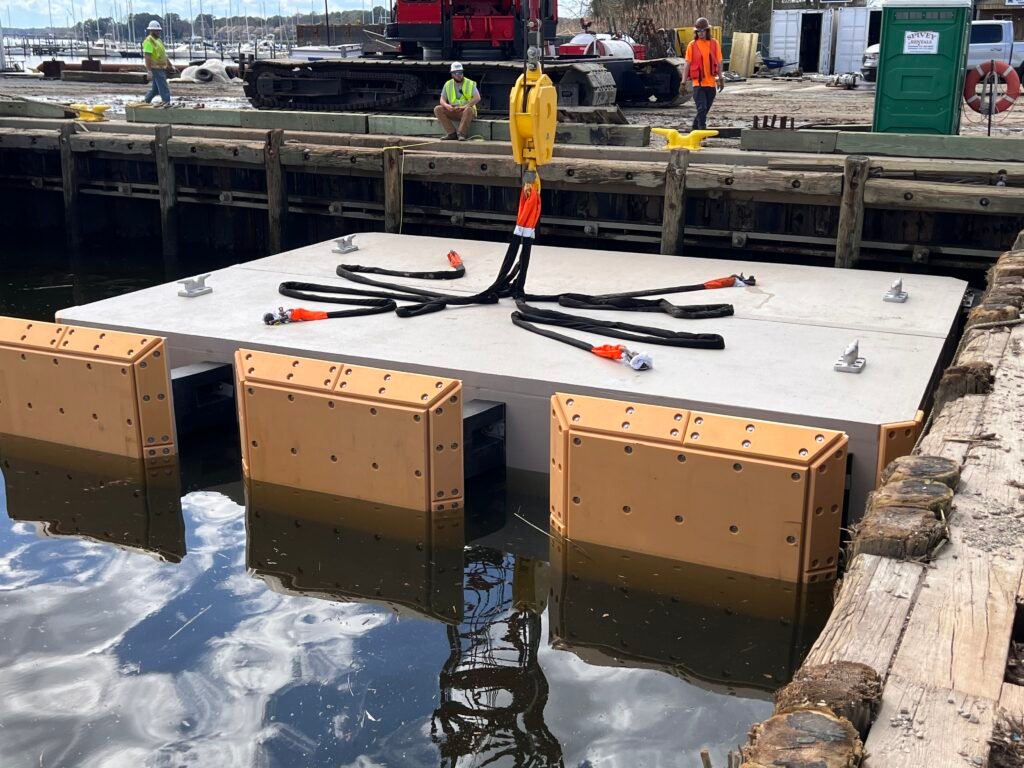
Fiberglass Berthing Structure

Structural Adhesive vs. Bolted Design: Choosing the Right Joining Method for FRP Composites

Introduction: When it comes to joining fiber-reinforced polymer (FRP) composites, selecting the appropriate method is crucial to ensure the structural integrity and performance of the final product. Two commonly employed techniques are structural adhesive bonding and bolted design. Each method offers distinct advantages and considerations, making the choice dependent on specific application requirements. In this

Structural Adhesive vs. Bolted Design: Choosing the Right Joining Method for FRP Composites Read More »

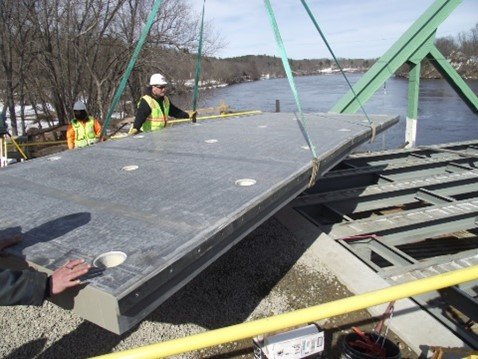
Lake Tahoe FRP Bridge Deck

Advancing Structural Design: Use of Mean Modulus for Fiber Reinforced Polymers in Service Condition Deflection for Buildings and Bridges

Introduction The structural design of buildings and bridges requires meticulous evaluation of materials to ensure safety, longevity, and efficiency. One material property that is important to understand when designing such structures is the modulus of elasticity so that serviceability deflections can be analyzed. Steel and wood have long been cornerstones of structural design and have

Advancing Structural Design: Use of Mean Modulus for Fiber Reinforced Polymers in Service Condition Deflection for Buildings and Bridges Read More »

FRP Bridge Deck

Effective Width of Fiberglass Deck Systems

Fiberglass deck systems are becoming increasingly popular due to their numerous advantages over traditional materials such as concrete and wood. These advantages include lightweight, high strength-to-weight ratio, corrosion resistance, and ease of installation. However, when it comes to designing these decks, it’s important to consider their effective width in relation to wheel or other point

Effective Width of Fiberglass Deck Systems Read More »

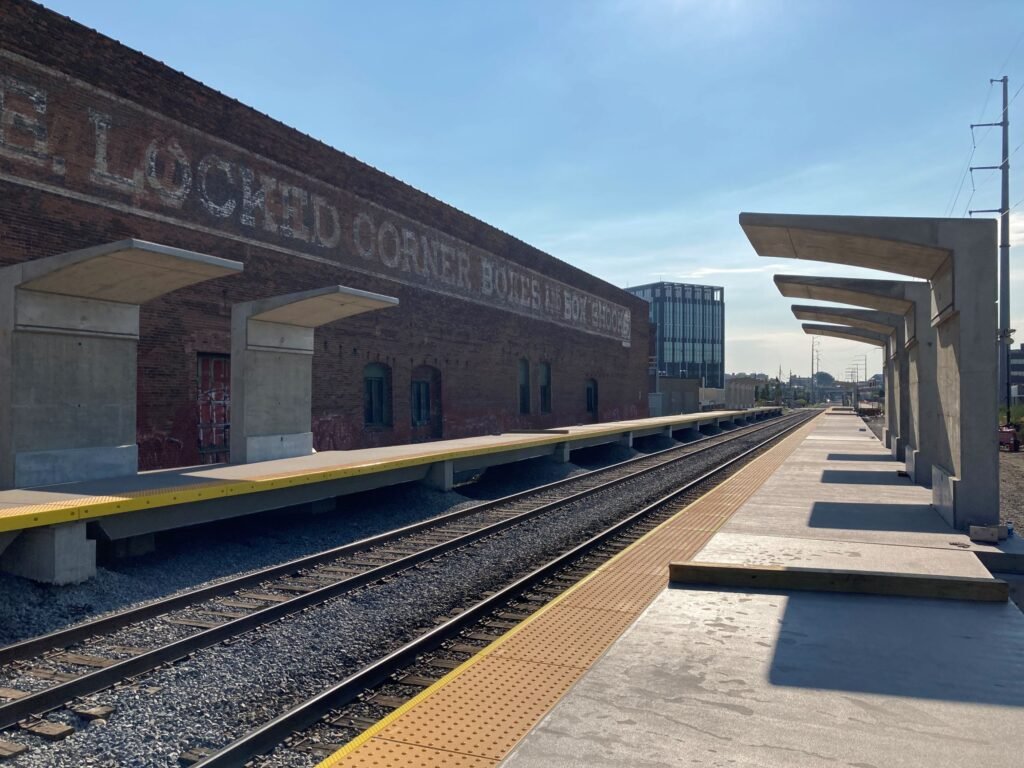
Chelsea Station Rail Platform

Fiber Reinforced Polymers (FRP) Advantages for Civil Infrastructure

Civil infrastructure has witnessed remarkable advancements in recent years, particularly in the development and application of innovative materials. One such material that is transforming the construction industry is Fiber Reinforced Polymers (FRP). FRP, composed of high-strength fibers embedded in a polymer matrix, offers numerous advantages over traditional construction materials. Some of the benefits include life

Fiber Reinforced Polymers (FRP) Advantages for Civil Infrastructure Read More »

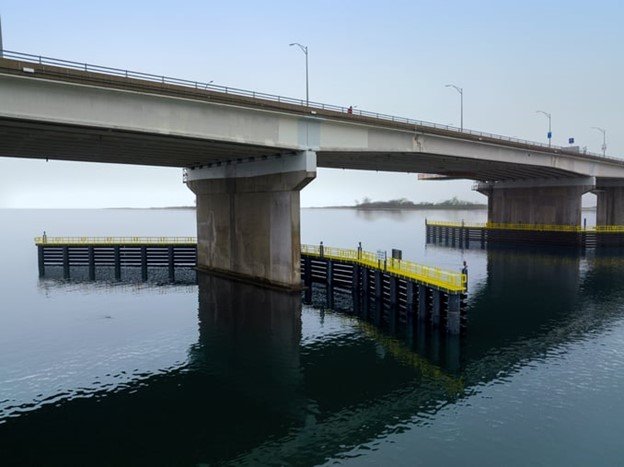
FRP Fender Protection System

The Advantages of FRP Piles for Fender Protection Systems

Fender protection systems play a vital role in safeguarding structures and vessels against collisions, ensuring the safety and integrity of ports, piers, and other marine facilities. The selection of appropriate fender piles is a critical consideration in designing an effective system. While steel piles have long been a conventional choice, an increasing number of engineers

The Advantages of FRP Piles for Fender Protection Systems Read More »